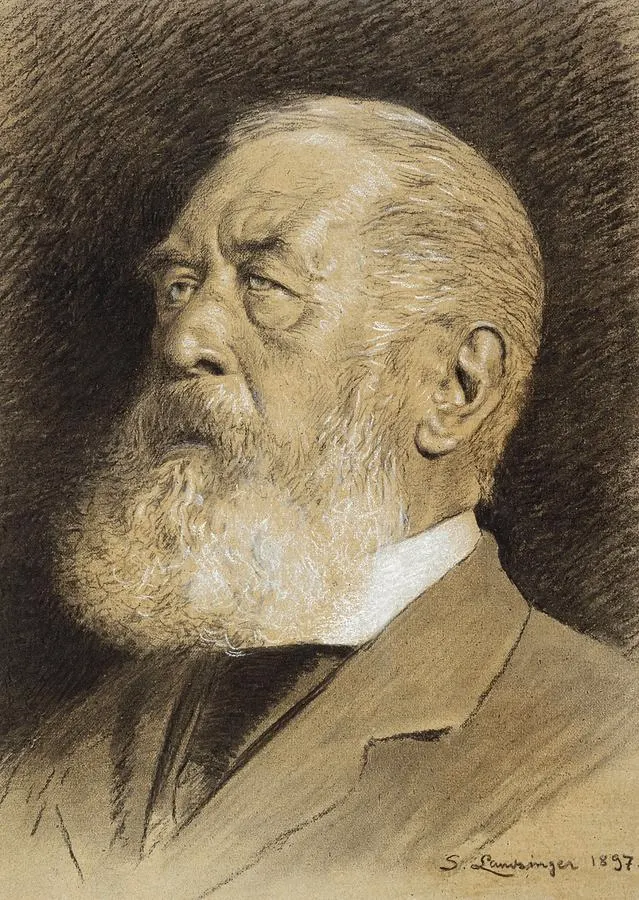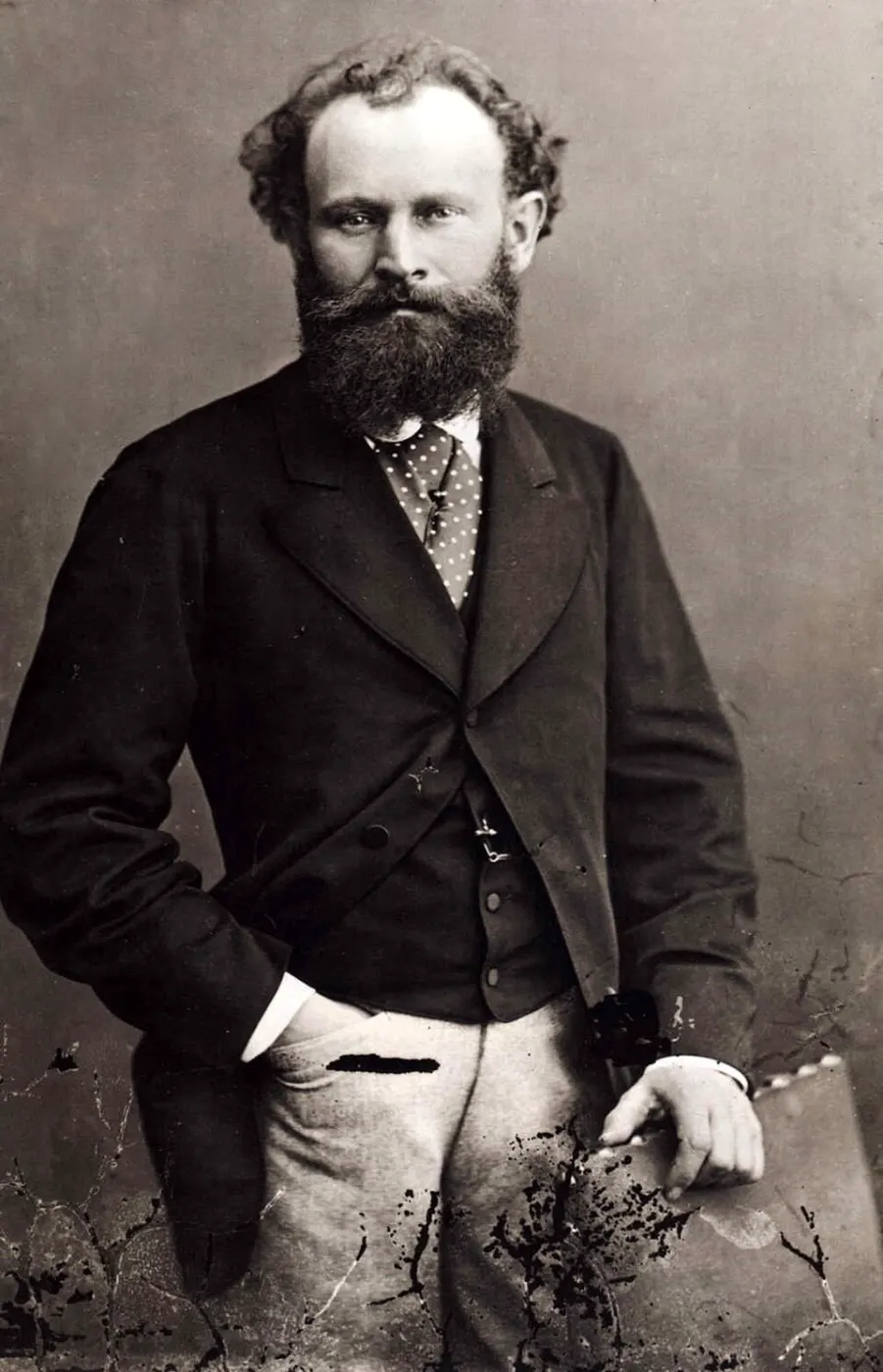
John William Waterhouse was born in Rome in 1849 to an English family and grew up in an environment shaped by art. After his family moved to London, he studied at the Royal Academy and first focused on history painting and classical subjects. In the 1870s, the works he exhibited showed strong academic training, but his style gradually moved toward the poetic sensibility associated with the Pre-Raphaelites.nnFrom the 1880s onward, the female figure became central to his art.
Drawing on mythology, literature, and legend, he created compositions marked by melancholy, mystery, and rich natural settings. Works such as The Lady of Shalott, Hylas and the Nymphs, and Ophelia reveal both his narrative skill and his command of color and light. This period is generally seen as the peak of his career.nnDuring the 1890s and 1900s, Waterhouse continued to reinterpret classical themes, often placing his figures in moments of inner tension within symbolic landscapes.
He died in London in 1917, leaving a legacy that bridges Victorian painting and modern appreciation. Today, Waterhouse is remembered as one of the most beloved English painters for his romantic storytelling and idealized female figures.