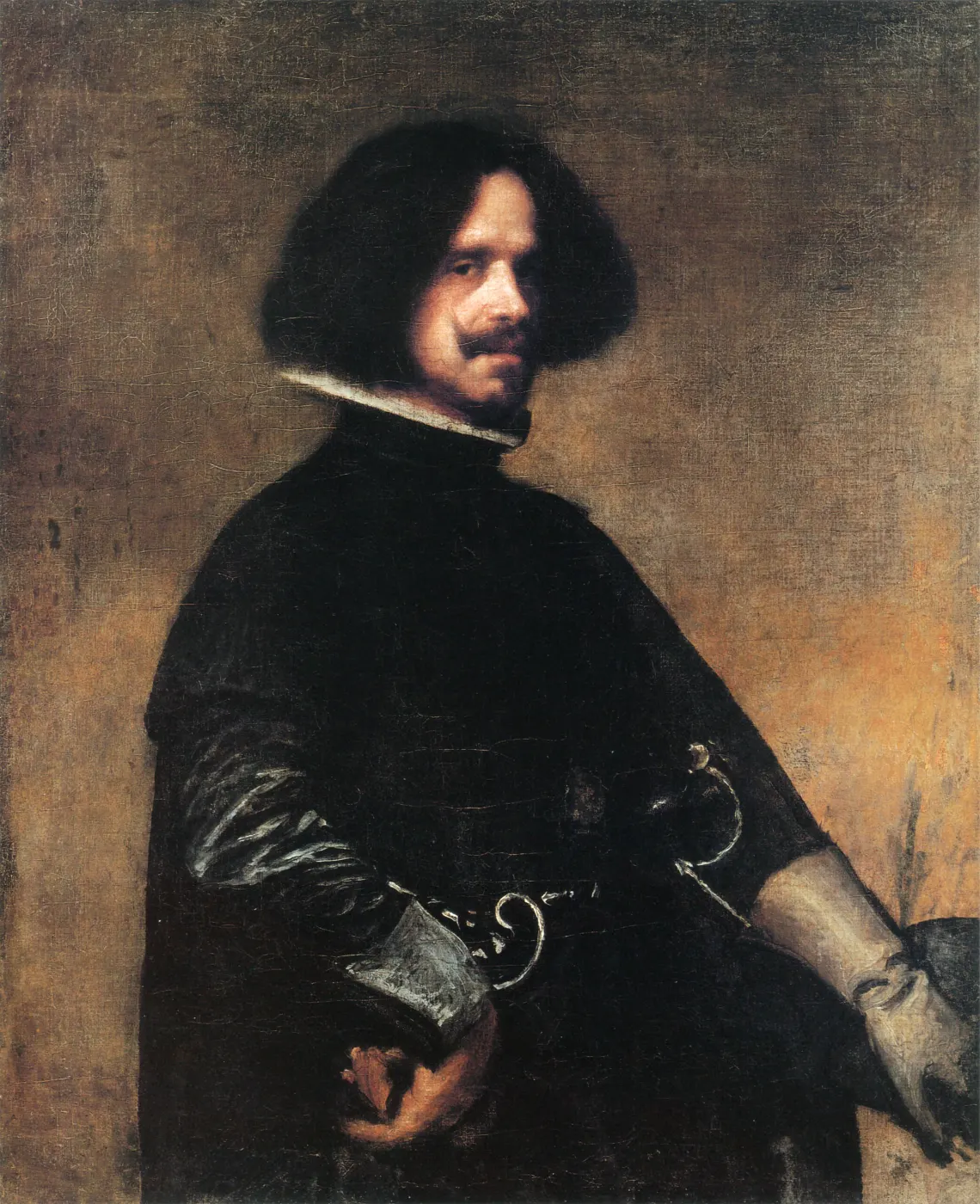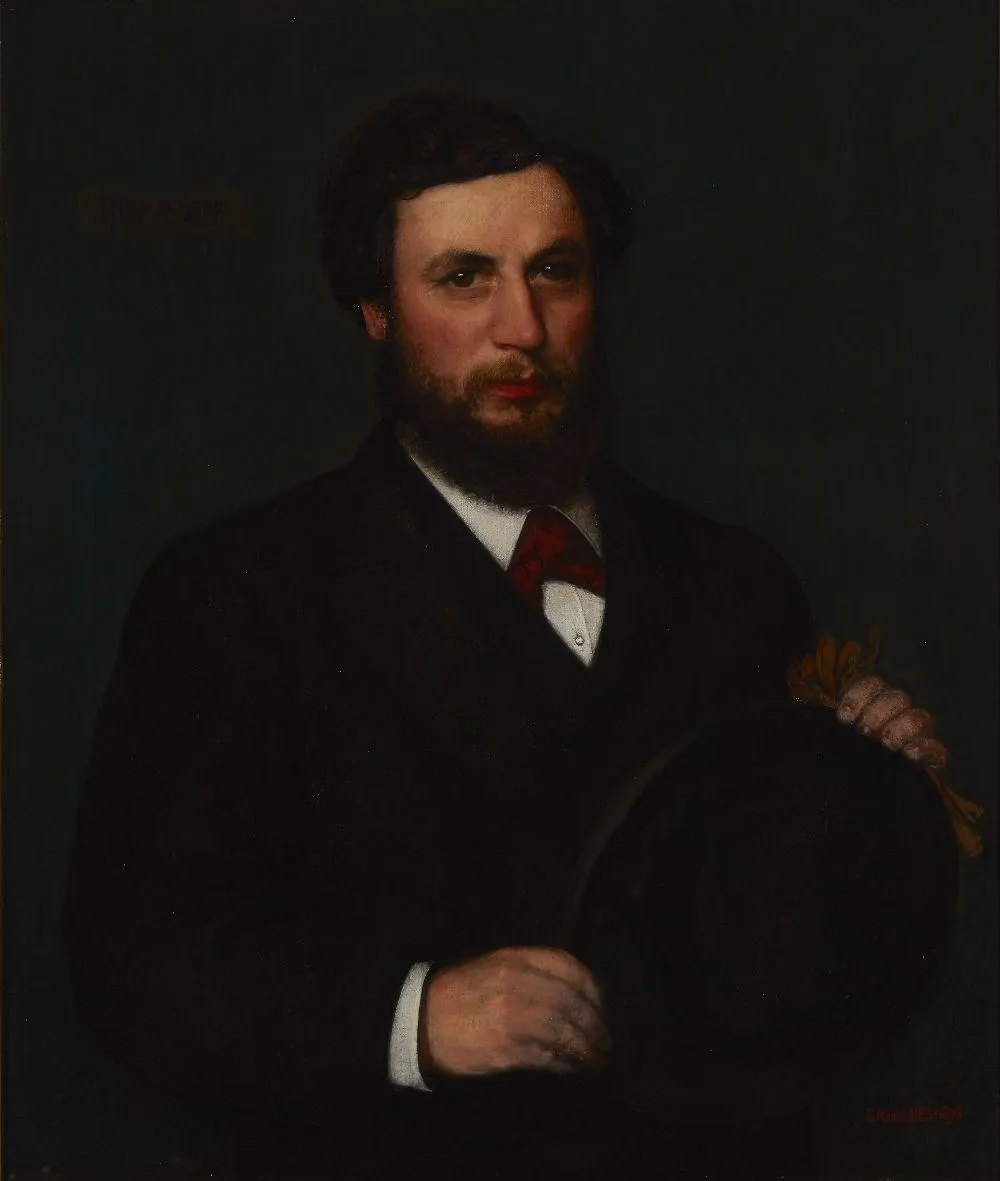
Arnold Böcklin (1827–1901) is one of the most original and influential figures in 19th-century European art. Born in Basel, Switzerland, the artist followed a distinctive path throughout his career between Romanticism, Symbolism, and a painting language based on imagination. Classical mythology, death, dreams, supernatural beings, and the dark sides of the human soul became the main themes of his art.nnAfter receiving drawing training in Basel at a young age, Böcklin studied at the Düsseldorf Academy.
Although he became acquainted there with the tradition of history painting, rather than remaining fully bound to academic rules, he turned toward a style that combined observation of nature and personal imagination. His first journey to Italy in the late 1840s became a decisive turning point in his artistic life. The years he spent in Rome, Naples, and Florence deepened his relationship with ancient culture and Mediterranean light.
In particular, the classical heritage he saw in Italy nourished his mythological and allegorical compositions.nnIn the 1850s and 1860s, Böcklin worked both in Switzerland and in Germany. During this period, he produced paintings that combined landscape and figure, blurring the boundaries between reality and dream. In his art, nature was not merely a background, but a carrier of psychological atmosphere.
The time he spent in Munich in the 1860s and then in Italy further matured his use of color and his understanding of composition. The works he created in these years offered a more personal, poetic, and symbolic alternative to the academic art understanding of the period.nnBöcklin’s most productive and best-known period is the 1870s and 1880s. Among the works he created in these years, one of the most famous, Isle of the Dead, made the artist’s name permanently known across Europe.
With its boat moving across a silent sea, rocky island, and mysterious atmosphere evoking thoughts of death, this work is regarded as one of the masterpieces of Symbolist art. Böcklin, who also produced different versions of the same theme, invited the viewer to a spiritual experience rather than direct narration.nnAmong the artist’s other important works are The Awakening of Pan, Centaur and Nymph, War, Spring, Villa by the Sea, and Playful Sea Maidens.
In these paintings, figures from ancient mythology, the forces of nature, and the inner world of human beings are often treated in a dramatic balance. Böcklin interpreted mythological subjects not merely as stories belonging to the past, but as universal images that express the fears, desires, and subconscious of modern মানুষ. nnFrom the 1880s onward, the artist’s health deteriorated from time to time, yet he continued to be productive.
In his final years, he lived near Florence, and a more intense sense of inward withdrawal and melancholy became evident in his work. He died in Italy in 1901. After his death, Böcklin exerted a strong influence especially on Symbolists, Expressionists, and artists with Surrealist tendencies. His dreamlike world became an important source for modern art’s rethinking of the relationships between consciousness, dream, and myth.nnToday, Arnold Böcklin is remembered not only for his mythological scenes, but also for his original approach that deepened the emotional and symbolic power of art.
His works are among the most important examples of the transition from academic painting to modern symbolic narration at the end of the 19th century.