Edward Hopper (1882–1967) was one of the most important figures in American realism. Born in New York state, he developed an early interest in drawing and studied at the New York School of Art. At the start of his career, he worked as an illustrator, an experience that sharpened his sense of composition and light. Travels to Europe in 1906, 1909, and 1910, especially his impressions of everyday life and urban scenes in Paris, left a lasting mark on his art.
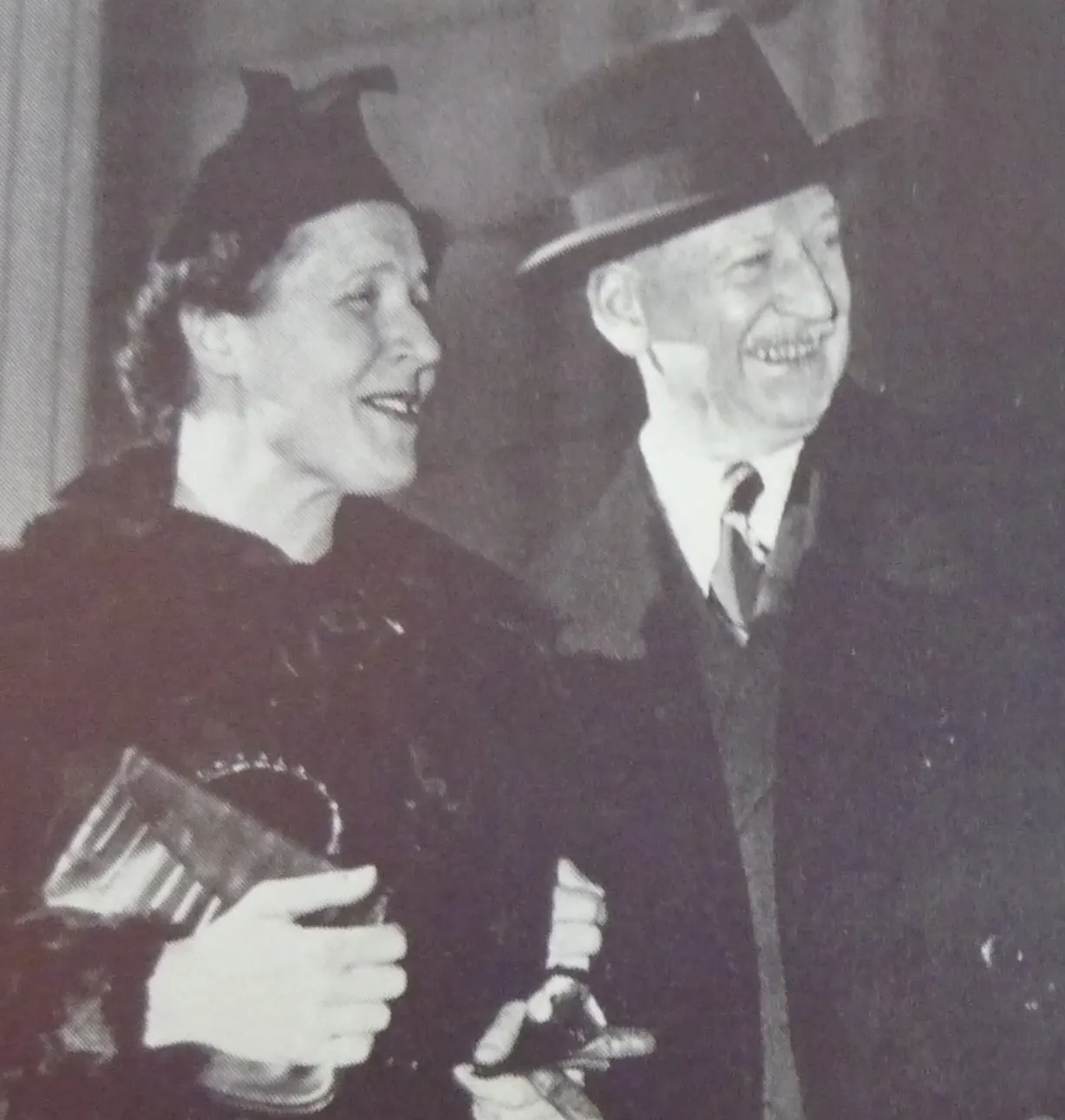
Hopper’s work is defined by themes of solitude, silence, and the alienation of modern life. From the 1920s onward, he developed his mature style: stark contrasts of light and shadow, simplified spaces, and the psychological distance between figures became his signature. In 1924, he married Josephine Nivison, who played an important role in both his life and art.
During the 1930s and 1940s, works such as Nighthawks, Automat, and Rooms by the Sea secured his place in American art history. Hopper became one of the most powerful artists to portray 20th-century urban life with quiet intensity and poetic restraint.