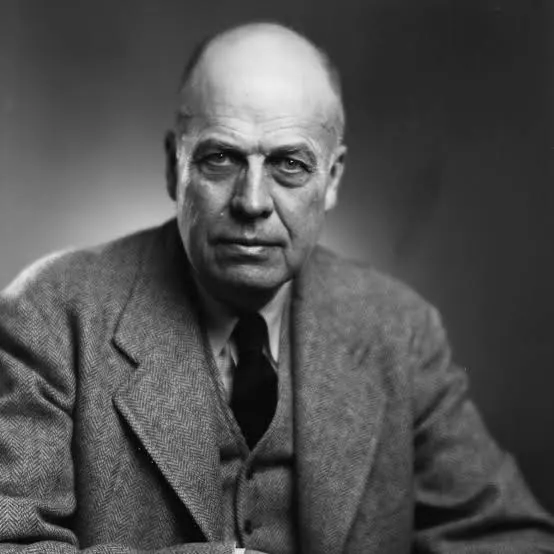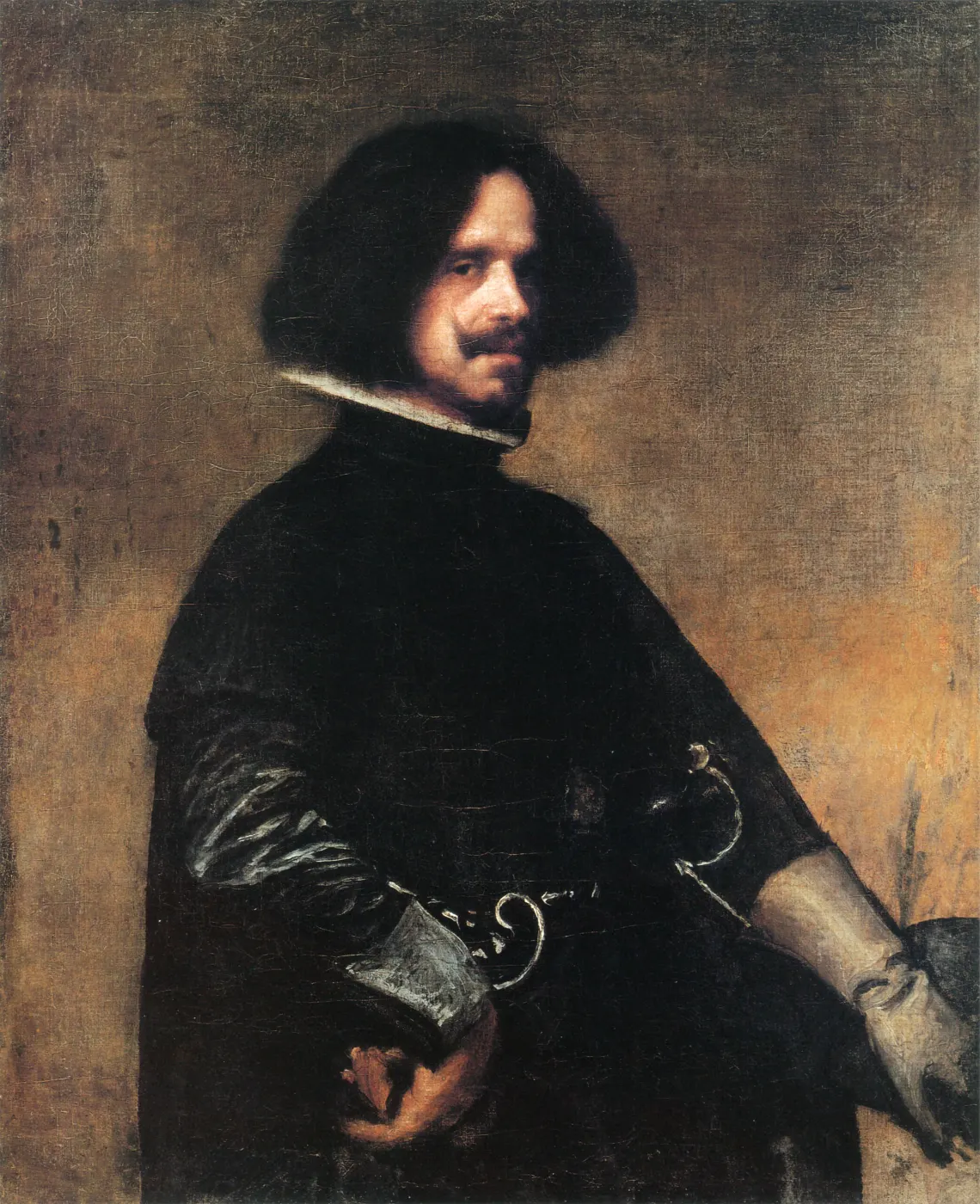
Edward Robert Hughes (1851–1914) was an important figure in Victorian British painting, best known for his poetic, elegant style and his refined use of light, closely associated with the Pre-Raphaelite circle. Born in London, he began his artistic training at an early age. A major turning point in his career was the influence of his uncle, the painter Arthur Hughes, who helped introduce him to the art world.
As a young man, he came into contact with the Royal Academy milieu and absorbed the aesthetic ideals of the period. From the 1870s onward, he gained attention for figurative compositions, portraits, and literary subjects.nnOne of the defining features of Hughes’s art was his delicate treatment of light as an atmospheric device. This is especially evident in the works of the 1880s and 1890s, which show soft color transitions, luminous surfaces, and a dreamlike sensibility.
These years are generally considered his mature period. While preserving the Pre-Raphaelite love of detail, he developed a gentler and more lyrical visual language. Although he shared the same cultural environment as artists such as William Holman Hunt and John Everett Millais, Hughes created a more inward, visionary, and decorative world.nnAmong his best-known works are A Midsummer Eve, Night with Her Train of Stars, and paintings related to A Midsummer Night’s Dream.
In these images, nature, mythology, and literature are closely intertwined; female figures are often presented as mysterious, graceful, and idealized. Hughes also worked extensively as an illustrator, producing book and magazine images that reached a wide audience. This shows that he was not only a painter of canvases, but also a versatile contributor to the visual culture of his time.nnAfter the 1890s, his health became somewhat fragile at times, yet he continued to produce work.
His early twentieth-century paintings tend to feel more mature and serene than his earlier pieces. Hughes died in 1914 and is now remembered as one of the artists who carried the Pre-Raphaelite aesthetic into the post-Victorian era. His works remain admired for their technical delicacy and emotional atmosphere, forming an elegant bridge between English Symbolism and the Pre-Raphaelite legacy.