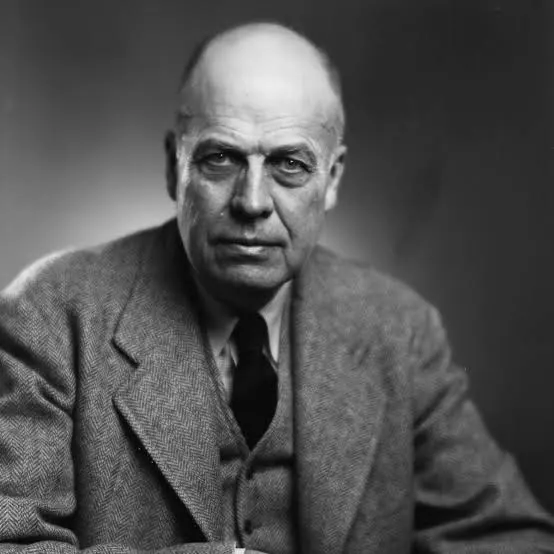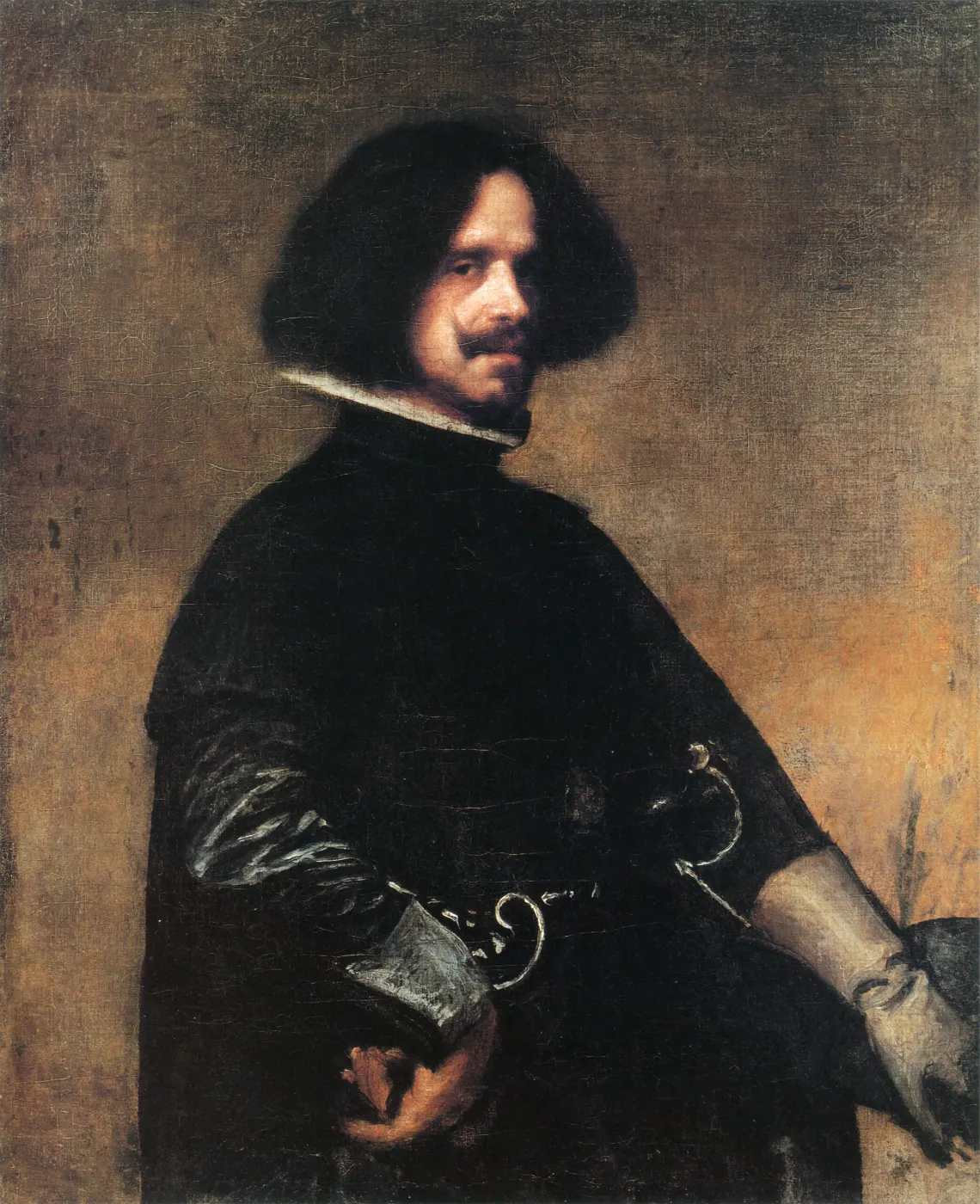
John Collier (1850–1934) was an English portrait painter and illustrator active across the late Victorian and Edwardian periods. He became one of the most notable figures in British art at the turn of the 20th century, known for combining academic portrait tradition with subtle psychological insight.nnBorn in London into a wealthy and cultured family, Collier developed an early interest in art.
He studied first in England and later in Munich and Paris. The Munich art scene was especially important in shaping his realism, color sense, and close observation of the human figure. Training in Paris strengthened his compositional discipline and drawing.nnA major turning point in his career came in the late 1870s, when he began to gain recognition as a portraitist.
He painted leading writers, scientists, aristocrats, and cultural figures of his time. His portraits were valued not only for likeness, but also for their ability to convey character, mood, and social presence. Calm expressions and intense gazes gave his works a strong psychological dimension.nnCollier’s most productive years were the 1880s and 1890s. During this period he earned considerable prestige in the circle of the Royal Academy and received many important commissions.
His paintings often feature dark backgrounds, balanced lighting, and a careful emphasis on the sitter’s inner life. Although best known for formal portraits, he also worked on mythological and literary subjects, interpreting them in a style suited to the aesthetic tastes of his era.nnAmong John Collier’s best-known works are portraits of Charles Darwin, Rudyard Kipling, and many other prominent British figures.
These paintings are important both as works of art and as historical records. Collier understood portraiture not merely as likeness-making, but as a means of preserving the intellectual and cultural atmosphere of a generation.nnFamily and intellectual connections also played an important role in his life. His first wife was the daughter of the famous scientist Thomas Henry Huxley, a link that brought him closer to scientific and cultural circles.
He later married again within an environment connected to art and culture. These relationships supported his success as a portrait painter.nnCollier remained active into the early 20th century, though the rise of modernism gradually reduced the dominance of academic portraiture. Even so, his work remains among the finest examples of late Victorian and Edwardian English portrait painting.
He died in London in 1934. John Collier secured a lasting place in British art history through his sharp observation, elegant technique, and psychologically rich portraits.