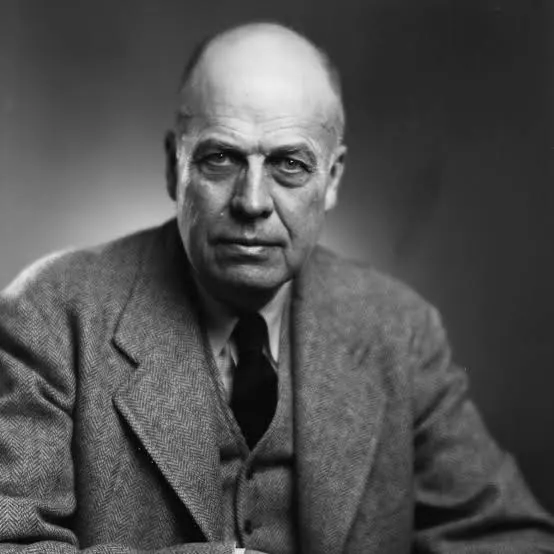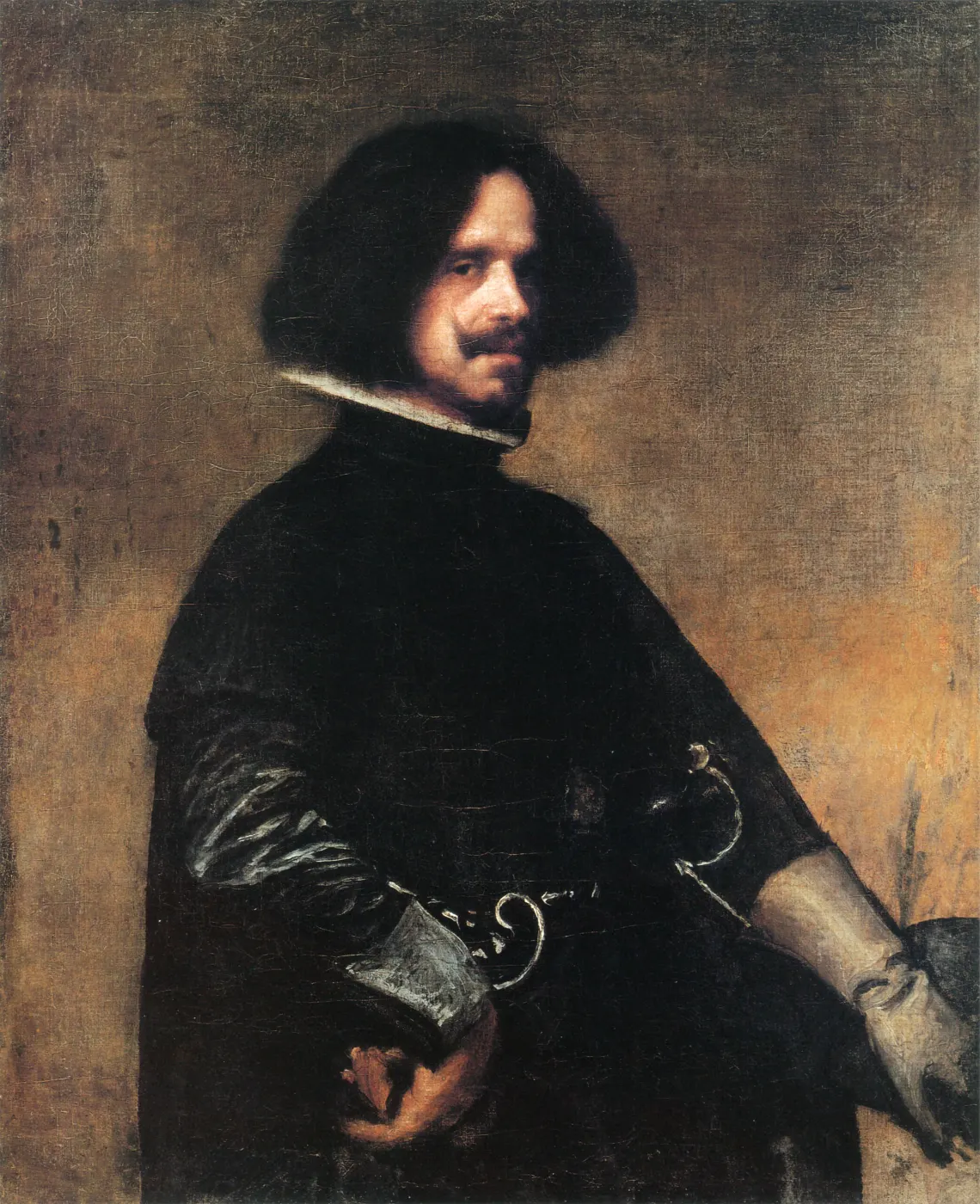
Johan Christian Claussen Dahl (1788–1857) was one of the founding figures of Norwegian painting and one of the most important representatives of Northern European Romantic landscape art. Born in Bergen, he grew up surrounded by a port city atmosphere, harsh natural conditions, and fjord landscapes; this visual memory later became the foundation of his art.
Although he showed an early interest in painting, his education was not straightforward. After his first artistic contacts in Bergen, he moved to Copenhagen in 1811 and studied at the Royal Academy of Fine Arts. There he encountered academic discipline, but what truly shaped his direction was his desire to observe nature directly.nnThe greatest turning point in Dahl’s career came in 1818, when he settled in Dresden.
The city became both the center of his artistic life and one of the key hubs of European Romantic landscape painting. In Dresden he formed a close friendship with Caspar David Friedrich, and this relationship had a profound impact on his work. Friedrich’s introspective and symbolic approach to landscape complemented Dahl’s more concrete, atmospheric, and topographically precise treatment of nature.
During these years, Dahl painted not only Norwegian scenery but also German mountain and historical landscapes, rendering light, air, and seasonal change with remarkable sensitivity.nnThe 1820s and 1830s were Dahl’s mature period. His Norwegian landscapes from these decades were decisive in shaping his national artistic identity. Fjords, waterfalls, mountain passes, stormy skies, and ruins appear frequently in his compositions.
He treated nature not merely as beauty, but as a force that conveys sublimity and power. Works such as the 1826 painting “Fra Stalheim” and related landscapes are important examples of his ability to reveal the dramatic character of Norway’s terrain. In the 1830s he also turned to historical and monumental structures, especially old churches and wooden architecture around Bergen, reflecting his interest in national heritage.nnDahl was not only a painter but also a figure who helped institutionalize Norwegian art.
He supported the development of artistic life in Oslo, guided younger artists, and contributed to the formation of a national artistic consciousness in Norway. His being awarded the Royal Norwegian Order in 1837 reflects the esteem he enjoyed in his homeland. Although he lived in Dresden for many years, he never severed his ties with Norway; he returned frequently to make sketches and direct observations from nature.
These journeys gave his works both geographic accuracy and emotional depth.nnIn his late period, Dahl developed a calmer manner and a broader historical perspective. In works from the 1840s and 1850s, his handling of light became more refined and his palette more balanced. While his admiration for nature remained strong, his compositions increasingly convey memory and lived experience.
He died in Dresden in 1857, leaving behind a legacy that brought Norwegian landscape painting to international attention. His work holds a lasting place both in the visual construction of Norwegian national identity and in the development of Romantic landscape art. Today his works can be found in major collections in Bergen, Oslo, and Dresden; Dahl is remembered as a pioneering artist who united nature, history, feeling, and identity.