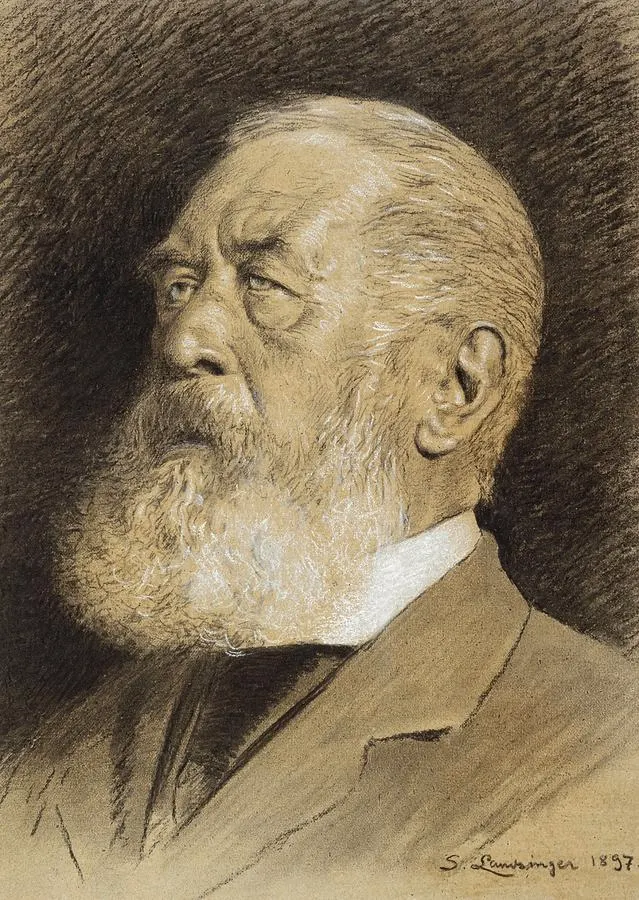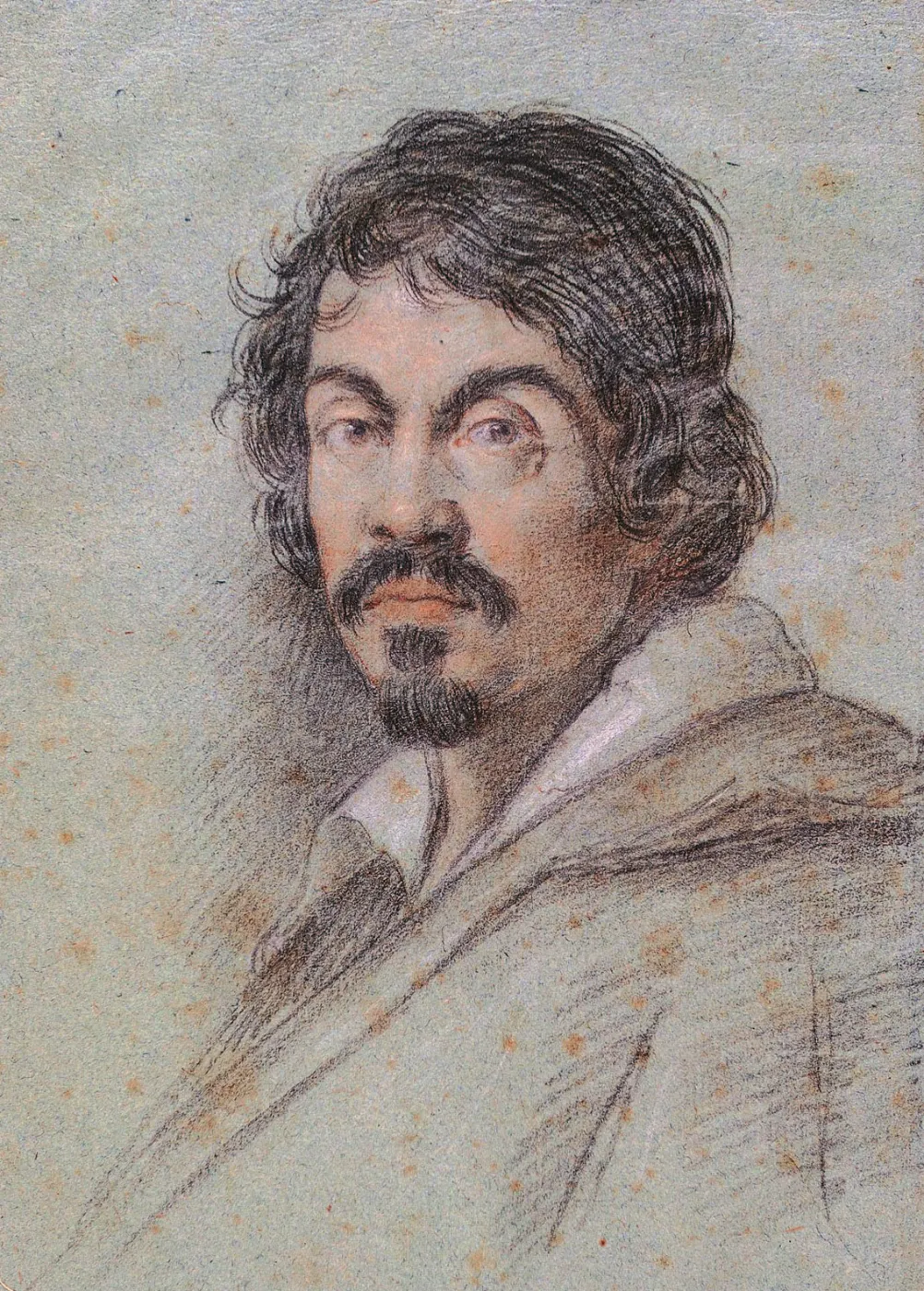
Pieter Van der Ouderaa (1841–1915) was an important figure in 19th-century Belgian art. Born in Antwerp, he turned to art at a young age and studied at the Antwerp Academy of Fine Arts. There he built a solid foundation in history painting, figure drawing, and composition. This training shaped the disciplined, narrative-driven style that would define his career.nnOne of the first major turning points in Ouderaa’s artistic life was his interest in historical and literary subjects.
In the second half of the 19th century, history painting remained highly valued in Belgium, and Ouderaa found his place within this tradition. His works are marked by dramatic staging, carefully arranged figures, and strong emotional expression. Although he worked within the academic taste of his time, his paintings stand out for their vivid color and meticulous attention to detail.nnAlongside historical and religious themes, scenes from everyday life also played an important role in his work.
His interior scenes with figures, his ability to convey the psychological states of his characters, and his care for costume details made him distinctive among his contemporaries. From the 1870s onward, he entered his mature period, producing more balanced compositions, more controlled use of light, and works with greater narrative depth.nnPieter Van der Ouderaa was a versatile painter.
He worked in portraiture, genre painting, historical scenes, and religious subjects. This versatility earned him recognition not only in academic circles but also among collectors. His paintings often echo the Flemish tradition of the 17th century, yet this is not simple imitation; rather, he reinterpreted that heritage through the sensibility of his own era.nnAnother important turning point in his life was the growing recognition he received through commissions and exhibitions during his mature years.
Working in a period when Belgian national identity was becoming stronger, Ouderaa’s historical subjects aligned well with the cultural climate of the time. His paintings are valuable not only as artworks but also as reflections of the historical consciousness and visual taste of his age.nnWhen he died in 1915, Pieter Van der Ouderaa left behind a substantial legacy that combined academic discipline with narrative painting.
His work demonstrates how the tradition of history painting continued in 19th-century Belgium, how figural compositions were enriched, and how academic art could develop into a personal visual language. Although he is less widely known today than the modernists who followed, he remains an important artist for understanding the visual culture of his period.